
Small batch cinnamon rolls are just right when you want a warm, homemade breakfast without filling the refrigerator with leftovers. This recipe makes four generously sized rolls, enough for two people or a small family to enjoy while they are still soft and fragrant from the oven. The dough is tender rather than fussy, and you do not need a stand mixer or special pan.
I developed these for the kind of morning when everyone wants something sweet, but nobody wants to spend half the day baking. A little planning helps because the dough needs time to rise, yet the hands-on work is simple. You can mix it before breakfast, let it puff while the coffee brews, then bake a small pan for sharing. Small batch, real life, something worth sharing.
Ingredients for a four-roll batch
For the dough, gather 1/2 cup warm milk, 1 1/2 teaspoons instant yeast, 1 tablespoon granulated sugar, 1 1/2 cups all-purpose flour, 1/4 teaspoon fine salt, one large egg yolk, and 2 tablespoons softened unsalted butter. The milk should feel warm like bathwater, around 100 to 110 degrees F. If it feels hot on your finger, let it cool before adding the yeast.
The filling needs 2 tablespoons softened butter, 3 tablespoons packed brown sugar, and 1 1/2 teaspoons ground cinnamon. For a simple glaze, stir together 1/2 cup powdered sugar, 1 tablespoon milk or cream, and a small splash of vanilla. Cream cheese frosting also works, but the thin glaze lets the soft layers and buttery edges stay the focus.
Use an 8-inch square baking dish, a loaf pan, or a small round cake pan. Line the bottom with parchment if you want easy cleanup. A larger pan will spread the rolls too far apart, so choose a dish where four pieces can sit close together.
Make and shape the dough
Stir the warm milk, yeast, and granulated sugar in a medium bowl. Let it stand for about five minutes. Instant yeast does not need a long proof, but this pause gives you a chance to notice whether the yeast is active. Add the flour, salt, egg yolk, and softened butter. Stir until a shaggy dough forms.
Knead by hand for five to seven minutes on a lightly floured surface. The dough should become smooth and elastic, with a slight tackiness. If it clings like batter, add flour one teaspoon at a time. Avoid adding a large handful at once. Small doughs dry out quickly, and extra flour is the most common reason homemade rolls turn firm.
Place the dough in a lightly greased bowl, cover it, and let it rise in a warm spot for 60 to 75 minutes. It may not quite double, especially in a cool kitchen. Look for a visibly puffed dough that springs back slowly when pressed with a fingertip. If your dough looks like this, you’re still on track.
Roll the dough into a rectangle about 10 by 7 inches. Spread the softened butter over the surface, leaving a narrow edge along one long side. Mix the brown sugar and cinnamon, then scatter it evenly over the butter. Press the sugar gently into the dough so it stays in place while rolling.
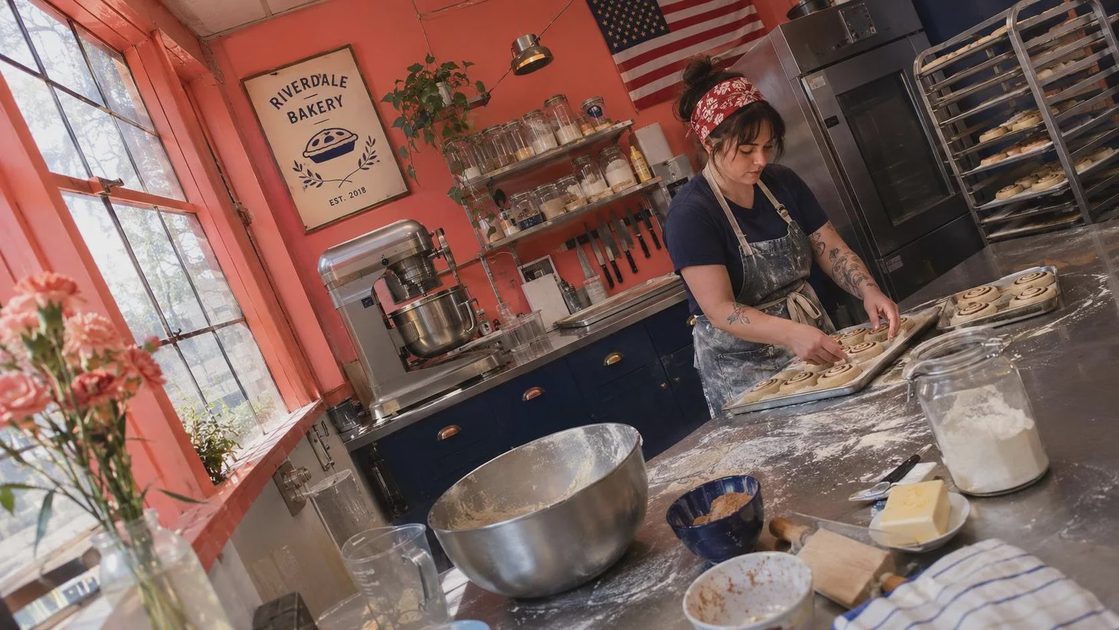
Starting at the long sugared edge, roll the dough into a snug log. Do not crush it, but do not leave large air pockets either. Use unflavored dental floss or a sharp knife to cut four equal pieces. Place them cut side up in the prepared pan, leaving a little room between each roll.
The second rise and bake
Cover the pan and let the shaped rolls rest for 25 to 35 minutes. They should look rounded and slightly expanded. Meanwhile, heat the oven to 350 degrees F. This second rise is where patience does more than extra flour; it helps the rolls bake up light instead of dense.
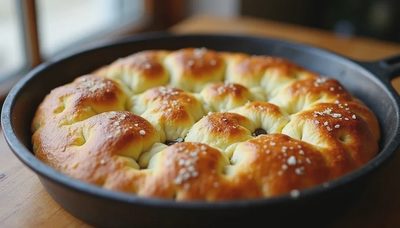
Bake for 22 to 27 minutes, rotating the pan once if your oven browns unevenly. The tops should be lightly golden, and the center roll should feel set but still soft. If the outside colors before the center is done, loosely cover the pan with foil for the final five minutes. Let the rolls cool for 10 minutes before glazing.
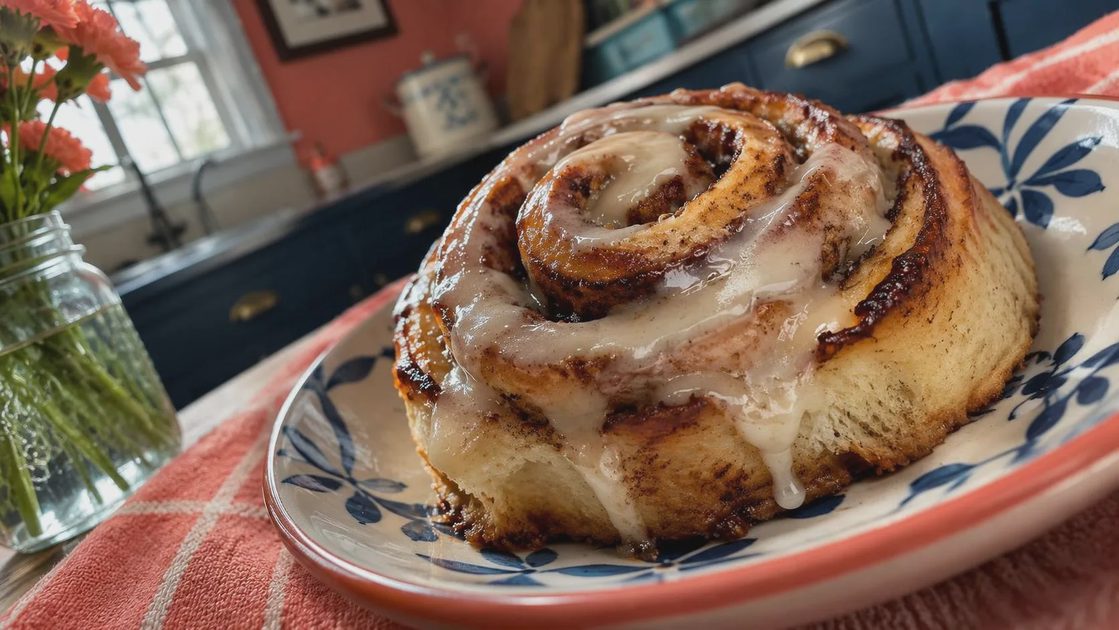
These small batch cinnamon rolls are best served warm, when the filling is glossy and the centers pull apart easily. For a less sweet finish, use only half the glaze. For a richer breakfast, add a spoonful of chopped pecans or walnuts to the filling, keeping the amount modest so the rolls still close neatly.
Troubleshooting the texture
If the dough is slow to rise, the room may simply be cool. Set the covered bowl in a turned-off oven with the light on, or place it near—not on—a warm appliance. Yeast also slows when milk is cold. Give the dough extra time rather than adding more yeast.
If the baked rolls are dry, measure the flour by gently spooning it into a measuring cup and leveling the top. Scooping directly from the flour bag can pack in too much. Dryness can also come from overbaking. Begin checking at 22 minutes because a small pan heats quickly.
If the centers are raw while the edges are dark, the rolls may have been cut too thick or packed tightly in a very small dish. Cover the top with foil and continue baking in five-minute increments. The next time, cut four even pieces and allow the second rise to finish before baking.
Make-ahead options and easy variations
You can assemble small batch cinnamon rolls the night before. Place the cut rolls in the pan, cover tightly, and refrigerate for up to 12 hours. In the morning, let the pan sit at room temperature for 45 to 60 minutes while the oven heats. They may need a few extra minutes in the oven because the dough starts cold.
For an orange version, replace half the cinnamon with a teaspoon of finely grated orange zest. A tablespoon of raisins gives the filling a chewy contrast, while a pinch of cardamom makes the flavor more aromatic. You can also brush the baked rolls with maple syrup instead of using powdered sugar glaze.
The dough can be mixed by hand, but a small food processor or mixer with a dough hook will also work. Stop mixing as soon as the dough is smooth. More equipment does not automatically produce better bread; paying attention to softness and rise matters more.
Serving and storing your rolls
Serve the rolls with coffee, tea, or fresh fruit. Once completely cool, store leftovers in an airtight container at room temperature for one day or in the refrigerator for up to three days. Warm one roll in the microwave for 12 to 18 seconds, or reheat the pan at 300 degrees F until soft.
Small batch cinnamon rolls are not meant to be perfectly identical. One may have a more caramelized edge, and another may spiral a little unevenly. That is part of baking at home. The useful goal is tender dough, a generous cinnamon center, and a pan small enough to finish while everything is fresh.


No notes yet — write the first one.