
Small batch baking is not a trend or a compromise. For most home kitchens it is simply the scale that matches the actual number of people, the actual amount of counter space, and the actual time available on an ordinary weeknight or weekend morning. When recipes are written for full commercial yields or large family spreads, the home baker ends up with extra dough, extra pans, extra storage problems, and often extra waste. Scaling down with intention removes those frictions while still delivering bread and desserts that feel complete.
I spent years in pastry shops and a French bakery in Portland working with large batches designed for display cases and wholesale orders. The ratios worked, the techniques were sound, and the results were consistent—under professional conditions. When I moved into a regular kitchen in Eugene with a husband, an eight-year-old daughter, and a limited amount of free time, those same formulas stopped making sense. A full sheet of focaccia became three days of leftovers. A standard sourdough loaf sat on the counter longer than it stayed at its best. The work itself was still enjoyable, but the scale no longer matched the life around it.
That gap is what small-batch baking closes. It keeps the technical reliability of good baking while adjusting yield, timing, and equipment needs to the realities of a home kitchen. The goal is not smaller for its own sake. The goal is bread and desserts that fit the people who will actually eat them, the space available to mix and bake them, and the schedule that has to accommodate them.
The Real Cost of Full-Size Recipes in Ordinary Kitchens
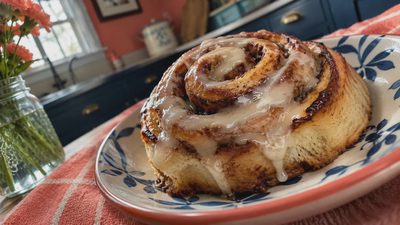
Most published recipes still assume a larger household or a more flexible schedule than many bakers have. A standard loaf of sandwich bread, a full batch of cinnamon rolls, or a double-layer cake can easily produce more food than a couple or a small family will finish while the product is still at its peak. The leftovers then occupy counter space, refrigerator space, or freezer space, and the baker spends additional time managing what is left instead of simply enjoying what was baked.
Equipment assumptions create a second layer of friction. Many classic formulas call for a stand mixer, a full-size sheet pan, or multiple loaf pans. In a kitchen with limited storage or a single oven, those requirements force workarounds that slow the process or reduce the quality of the final result. A recipe that only works when every piece of equipment is present is less useful than one that can be mixed by hand in a single bowl and baked in a pan the baker already owns.
Timing is the third practical problem. A full batch of enriched dough may need several hours of bulk fermentation and shaping that do not fit between school pickup and dinner. A large focaccia that requires an overnight cold proof can become a weekend project rather than a weeknight side. When the process itself exceeds the available window, the baker either skips the recipe or rushes steps that affect the crumb and the crust.
These issues are ordinary, not failures of skill. They appear because the original recipes were written for different conditions. Adjusting the scale is often more effective than trying to force a large formula into a small kitchen.
What Small-Batch Baking Actually Changes
Reducing yield is only the most visible part of the shift. The more useful changes appear in mixing method, proofing time, pan choice, and storage expectations.
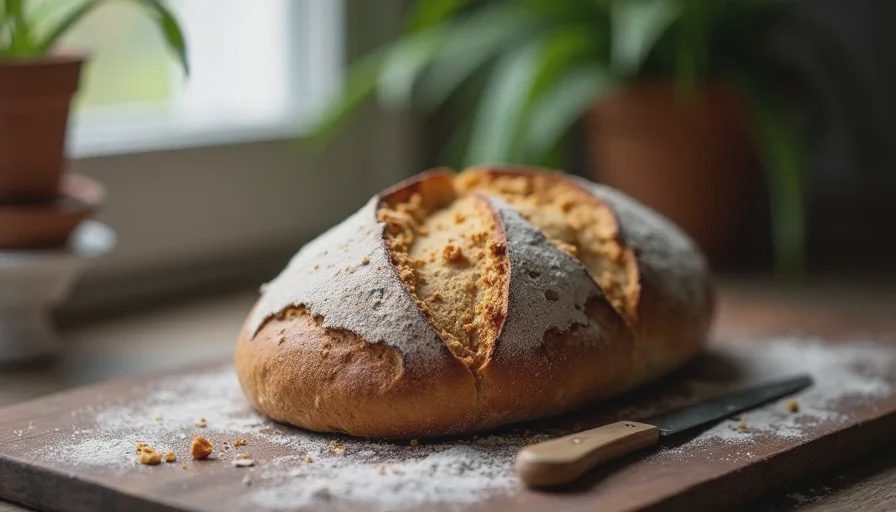
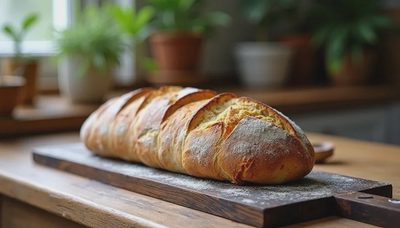
A one-loaf sourdough or a half-dozen dinner rolls can be mixed by hand in a medium bowl without a stand mixer. The dough volume is small enough that gluten development can be checked by feel rather than by machine timing. Shaping takes minutes instead of a longer production sequence. Baking fits into a single oven cycle that does not monopolize the afternoon.
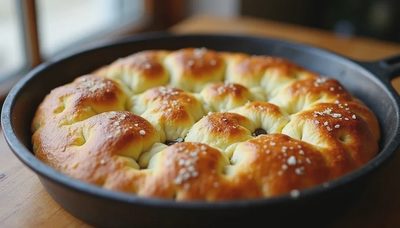
Pan size becomes an intentional choice rather than a limitation. A 9-inch square pan or a standard loaf pan can hold a complete small-batch focaccia or sandwich loaf. There is no need to scale a commercial formula down by awkward fractions or to leave part of the dough unused. The baker works with whole numbers that match the pans already in the cupboard.
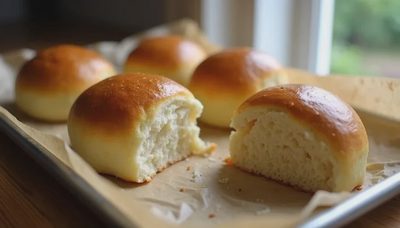
Leftovers shrink to a manageable amount. A small chocolate cake for two or four people can be finished the same day or the next morning. A half-dozen soft rolls disappear at one meal. The baker spends less time packaging, freezing, or deciding what to do with the excess, and more time simply eating the result while it is still at its best.
These adjustments do not lower the standard of the crumb or the crust. They simply align the process with the conditions under which most home bakers actually work.
Practical Advantages That Show Up on Ordinary Days
The benefits become clearest when the baking has to fit around real schedules rather than ideal ones.
Weeknight baking becomes realistic. A small focaccia mixed after work can proof while dinner is prepared and bake in time for the meal. Six soft dinner rolls can be mixed by hand, given a short rise, and baked without requiring a free afternoon. The process stays short enough that it does not compete with the rest of the evening.
Ingredient quantities stay closer to normal grocery purchases. A recipe that calls for one or two eggs, a measured amount of butter, and a modest volume of flour is easier to complete without special shopping or partial packages left in the refrigerator. Seasonal produce—one apple, a handful of berries—can be used completely rather than stretched across a larger formula that demands more fruit than is on hand.
Storage pressure decreases. A single small loaf or a few rolls occupy far less counter or freezer space than a full production batch. The baker is less likely to face the quiet decision of whether the remaining bread is still good enough to keep or whether it has become another item to manage.
Test-and-adjust cycles become faster. When a recipe is small, it is practical to bake it again the same week if the crumb needs a small change or if a different flour behaves differently. Large batches discourage that kind of quick iteration because the cost in time and ingredients is higher. Small batches lower the barrier to honest improvement.
These advantages are cumulative. Over weeks and months, the baker spends less energy on logistics and more on the actual process of mixing, shaping, and baking.
How to Begin Without Overhauling Everything
Starting with small-batch baking does not require new equipment or a complete change in technique. The simplest entry points use pans and tools most kitchens already contain.
Choose one reliable small vessel. A standard 8- or 9-inch loaf pan, a 9-inch square pan, or a small cast-iron skillet can become the default size for bread and simple desserts. Working consistently with the same pan removes the need to recalculate volumes each time.
Begin with recipes that already exist in modest yields or that scale cleanly by half. Many enriched doughs and quick breads tolerate a straightforward reduction if the baker keeps the ratios intact and watches the dough or batter for visual and tactile cues rather than strict timing. The goal is to preserve the relationship between flour, liquid, fat, and leavening while reducing the total amount.
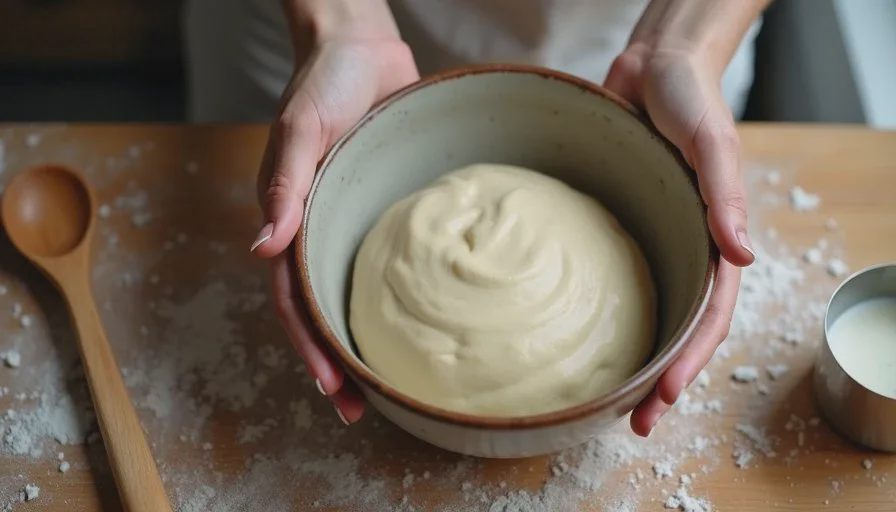
Pay attention to mixing method. Hand mixing is often more practical at small scale than machine mixing. A medium bowl, a flexible spatula or dough whisk, and a few minutes of gentle work can develop enough gluten for most small loaves and rolls. The baker can feel the dough change and stop when it reaches the right stage instead of relying on a timer designed for larger volumes.
Accept that proofing times may shift slightly. Smaller dough masses can warm or cool faster than large ones. The useful check is the look and feel of the dough—volume increase, finger indentation, surface tension—rather than the clock alone. This is the same observation skilled bakers use at any scale; the small batch simply makes the cues easier to read quickly.
Keep notes on the first few attempts. A short record of flour brand, room temperature, and final texture helps the next bake improve without guesswork. The notes do not need to be elaborate. A few lines on a recipe card are enough.
These steps keep the transition practical. The baker does not need to master every category at once. One successful small loaf or one batch of rolls that fits the week is already a useful starting point.
Common Points of Friction and How to Avoid Them
A few predictable difficulties appear when bakers first reduce scale. Most of them have straightforward solutions.
Over-mixing becomes easier to notice and correct. With less dough in the bowl it is simpler to stop as soon as the ingredients come together or the gluten reaches the desired stage. The risk of a tough crumb from excess development is lower when the baker can feel the dough directly.
Oven spring and bake time can change. A smaller loaf or a thinner focaccia may finish faster than a full-size version. Checking a few minutes earlier than the original recipe suggests, and using internal temperature or visual cues for doneness, prevents over-baking. An inexpensive oven thermometer helps confirm that the stated temperature matches the actual heat.
Flour absorption can vary more noticeably. Different brands and protein levels behave differently at any scale, but the effect is easier to see and adjust when the batch is small. Adding liquid or flour in small increments while watching the dough’s consistency is more reliable than following a fixed volume.
Expectation of leftovers needs resetting. Some bakers are used to having extra bread for the week. A deliberate small batch is meant to be finished while it is still excellent. Planning the meal around the fresh bake, or accepting that the goal is quality rather than quantity, removes the sense that something is missing.
None of these adjustments require special talent. They simply match the process to the size of the dough and the conditions of the kitchen.
Why the Shift Feels Sustainable
The lasting advantage of small-batch baking is that it reduces the gap between the pleasure of the process and the practicality of the result. When the yield matches the household, the baker is less likely to feel that the work produced more food than could be used well. When the timing fits ordinary days, the activity stays enjoyable rather than becoming another obligation. When the equipment list stays short, the barrier to starting remains low.
I still bake larger formats when the occasion calls for them—gatherings, holidays, or deliberate freezer stocking. The difference is that those bakes are intentional rather than the default. The everyday loaves, rolls, and simple desserts stay at a scale that the kitchen and the schedule can absorb without strain.
That balance is what makes the approach sustainable. It keeps the technical standards of good baking while removing the friction that comes from mismatched yield. The bread still has a tender or open crumb according to the formula. The crust still develops properly. The difference is that the finished product is sized for the people who will eat it and the life that surrounds the oven.
Small batch baking is simply baking that respects the actual size of the kitchen, the actual length of the day, and the actual number of people at the table. When those conditions are taken as the starting point rather than an afterthought, the process becomes more reliable and the results more consistently useful. The work stays satisfying. The bread gets eaten while it is still at its best. And the baker is left with something worth sharing rather than something that has to be managed.
Small batch, real life, something worth sharing.
No notes yet — write the first one.