Cake flour vs all purpose flour is one of those baking questions that sounds simple until you are standing in the grocery aisle with a recipe in one hand. Both are useful pantry staples, but they behave differently because of their protein content, texture, and ability to build gluten. Choose the right one and your small cake can be soft and delicate. Choose the wrong one and the same batter may bake up chewy, dense, or slightly dry.
The good news is that you do not need a professional pastry kitchen to understand the difference. Once you know what each flour contributes, you can make sensible substitutions and adjust your mixing technique. Small batch, real life, something worth sharing.
Cake flour vs all purpose flour: the basic difference
Cake flour is a finely milled, low-protein flour. It usually contains around 7% to 9% protein, while all-purpose flour commonly falls near 10% to 12%. Protein matters because it forms gluten when flour is hydrated and mixed. More gluten gives baked goods structure and chew; less gluten gives them a softer, more tender crumb.
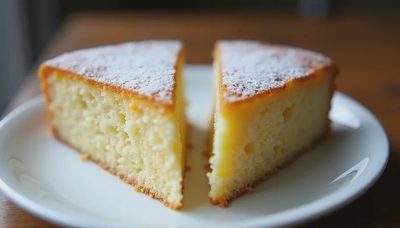
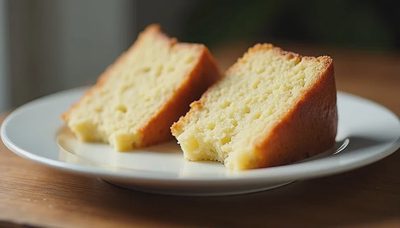
That is why cake flour is a natural fit for angel food cake, chiffon cake, cupcakes, tender layer cakes, and delicate tea cakes. The crumb feels fine and plush rather than bready. It also absorbs liquid well, so a cake made with it can feel moist without becoming heavy.
All-purpose flour is the flexible middle ground. It has enough protein for muffins, biscuits, cookies, brownies, quick breads, and many everyday cakes. If you bake only occasionally or keep a compact pantry, all-purpose flour is usually the flour to buy first. It can handle a wide range of recipes without requiring a separate bag for every dessert.
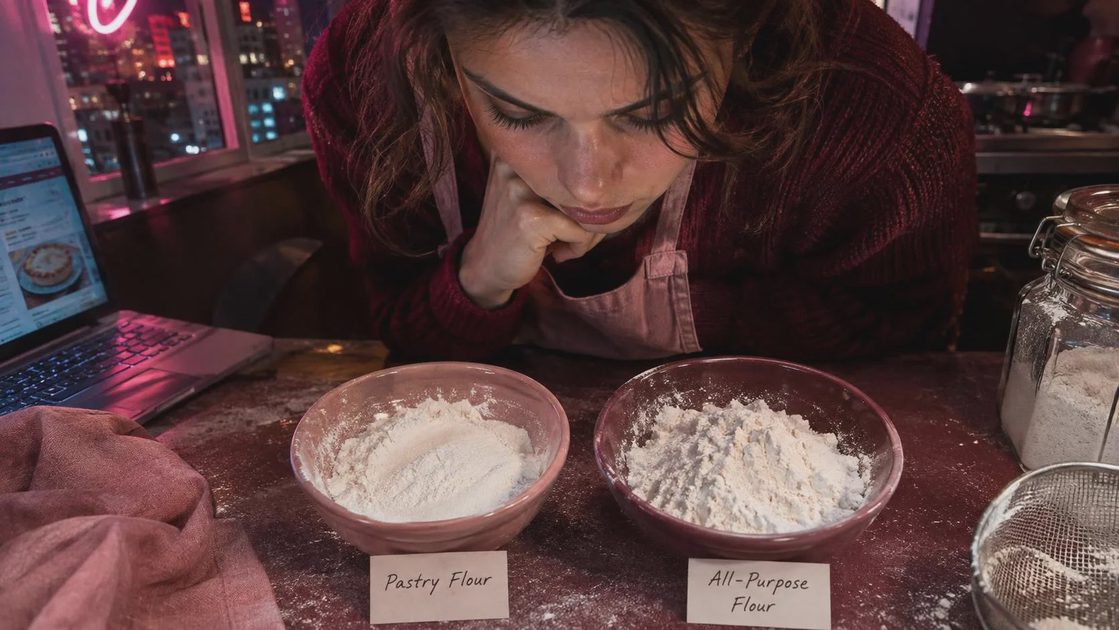
When to choose each flour
For a birthday cake with a light, springy crumb, cake flour is often the better choice. It is especially helpful in recipes with a lot of sugar, butter, or liquid, where a tender structure keeps the finished cake from feeling tough. A small six-inch vanilla cake, for example, can turn out noticeably softer with cake flour.
Use all-purpose flour when you want more strength. Chocolate chip cookies need enough structure to hold melted butter, brown sugar, and mix-ins. A small batch of blueberry muffins also benefits from a flour that can support berries without collapsing around them. Biscuits can use either flour, but all-purpose flour gives them a little more substance and a pleasantly sturdy bite.
Recipe wording matters, too. If the instructions specifically say to fold flour gently, stop mixing as soon as no dry streaks remain. Even cake flour can produce a firm crumb if it is beaten aggressively after the flour goes in. The flour sets the potential texture, but your mixing determines how much of that potential becomes gluten.
Can you substitute one for the other?
Yes, but the result will not be identical. For cake flour vs all purpose flour substitutions, the simplest approach is to use all-purpose flour in place of cake flour and remove two tablespoons of flour from every cup. Replace that small amount with cornstarch, sift the mixture together thoroughly, and you have a practical homemade cake-flour substitute.
For example, to make one cup of substitute, measure one cup of all-purpose flour, remove two tablespoons, add two tablespoons of cornstarch, and whisk or sift several times. The cornstarch lowers the overall protein percentage and helps interrupt gluten development. For a small recipe calling for half a cup, remove one tablespoon of flour and add one tablespoon of cornstarch.
The reverse substitution is less convenient. Cake flour does not provide quite as much strength in a chewy cookie, pizza dough, or rustic biscuit. You can use it in a pinch, but expect a softer, more fragile result. If the recipe depends on a firm shape, chill the dough well and avoid adding extra liquid.
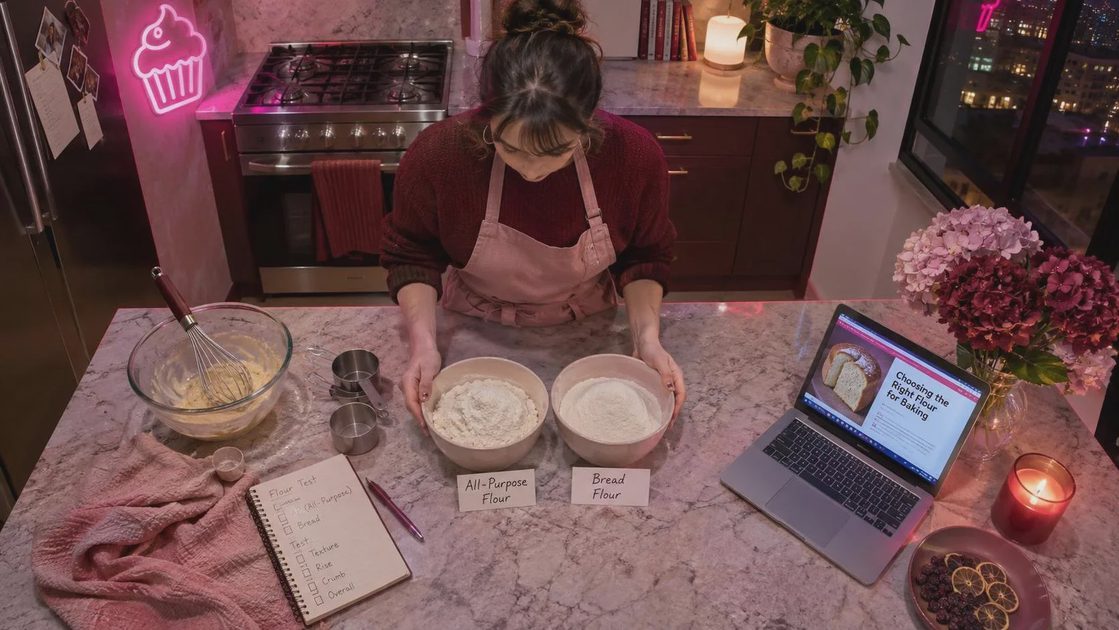
How the choice changes common bakes
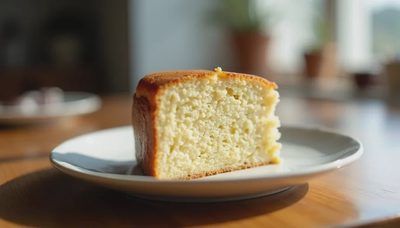
In cupcakes, cake flour usually creates a finer, more delicate crumb and a lighter bite. All-purpose flour can still make excellent cupcakes, especially when the batter is mixed gently and baked just until a toothpick shows a few moist crumbs. Overbaking will dry either version, so start checking small cupcakes a few minutes early.
In cookies, all-purpose flour is usually the dependable choice. It helps cookies hold their shape and gives them enough chew to balance crisp edges. Cake flour can make a cookie softer and puffier, but it may spread differently depending on the butter and sugar ratio. If you want to experiment, replace only part of the all-purpose flour rather than changing the entire amount.
For brownies, the choice depends on the style you like. All-purpose flour supports a chewy brownie with clean slices. Cake flour can make a lighter, more delicate brownie, though too little flour or too much mixing can make the center seem almost pudding-like. Let brownies cool fully before judging the texture; the crumb continues to set as it cools.
Small-batch measuring and mixing tips
Flour is easiest to misuse when a recipe is small. A difference of two tablespoons is much more significant in a six-serving cake than in a large layer cake. For the most reliable result, fluff the flour in its container, spoon it into a measuring cup, and level it with a straight edge. A kitchen scale is even better, especially when a recipe gives weight measurements.
Sifting is useful when you are making a cake-flour substitute because it distributes the cornstarch evenly. It is also helpful for cocoa powder, powdered sugar, and leaveners that tend to form lumps. You do not need an expensive sifter; a fine-mesh strainer over a bowl works beautifully.
Once flour is added, mix only until the batter looks combined. A few tiny streaks can disappear during folding, but visible dry pockets should not remain. Scrape the bottom of the bowl with a flexible spatula, then stop. This is the part where patience does more than extra flour.
Troubleshooting a flour swap
If your cake is chewy, first consider mixing time and flour quantity. Too much all-purpose flour can make a delicate cake firm, while vigorous beating can develop excess gluten. If the cake is crumbly and cannot hold together, it may need more structure, a slightly shorter bake, or a better-supported pan.
A dense cake is not always a flour problem. Old baking powder, overmixed batter, an inaccurate oven temperature, or opening the oven door too early can all affect rise. If a small cake domes dramatically and then sinks, check the leavener and oven heat before blaming your substitution.
When comparing cake flour vs all purpose flour in your own kitchen, write a short note on the recipe card. Record the flour, pan size, baking time, and whether the crumb seemed tender or chewy. That little habit turns one uncertain bake into useful information for the next one.
The practical pantry answer
Cake flour is worth keeping if you regularly make tender cakes, cupcakes, chiffon, or angel food desserts. All-purpose flour is the better everyday choice for a modest pantry because it covers cookies, muffins, biscuits, brownies, quick breads, and most casual baking projects. Many recipes will succeed with either when you measure carefully and avoid overmixing.
If a recipe calls for cake flour and you have none, use the cornstarch method rather than abandoning the bake. If it calls for all-purpose flour and you only have cake flour, use it thoughtfully in soft cakes and muffins, but expect less structure in cookies and breads. The best answer in cake flour vs all purpose flour is not that one flour wins; it is that each one gives you a different kind of crumb.
Start with the texture you want, then choose the flour that supports it. A tender two-person dessert or a small pan of cupcakes does not need complicated equipment or a perfect pantry. It needs measured ingredients, gentle mixing, and a little attention to what the batter is telling you.
No notes yet — write the first one.