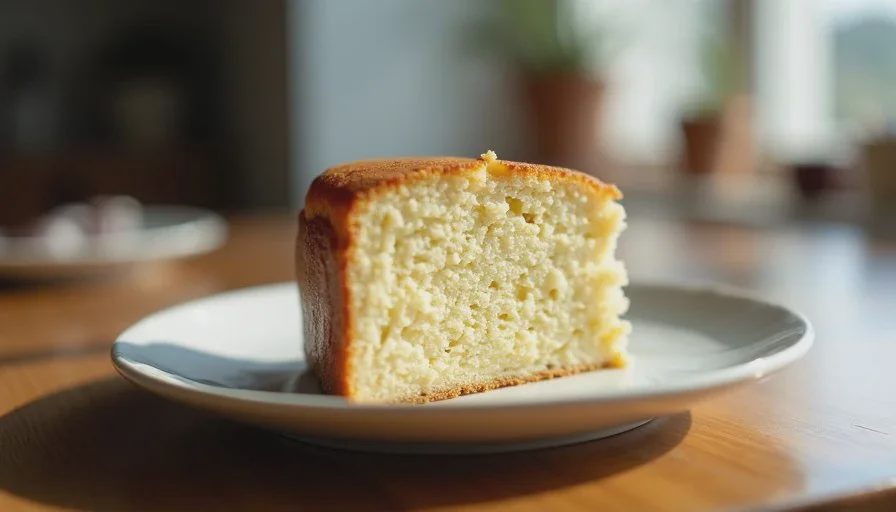
Tender crumb is one of the most common phrases in baking instructions, yet it is often left unexplained. Bakers are told to aim for a tender crumb, to avoid a tough crumb, or to notice when the crumb is just right. Without a clear picture of what those words describe, the guidance remains abstract. In practical terms, tender crumb refers to a soft, fine-to-medium textured interior that yields easily when bitten or pressed, holds together without crumbling into dry fragments, and feels moist rather than dense or rubbery.
I first learned to evaluate crumb in professional kitchens where consistency across large batches mattered. Later, working with small-batch recipes at home, I found that the same observations still applied—only the scale made the cues easier to see and adjust. A tender crumb is not an accident of luck. It is the result of how proteins, starches, fats, sugars, and liquids interact during mixing and baking. Understanding those interactions removes much of the guesswork.
This is not laboratory science. It is the everyday knowledge that lets a home baker look at a slice of cake or a piece of bread and know whether the texture is what the recipe intended, and what to change next time if it is not.
The Physical Qualities That Define Tender Crumb
A tender crumb has several recognizable characteristics that can be checked with ordinary senses.
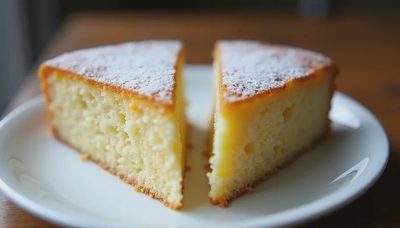
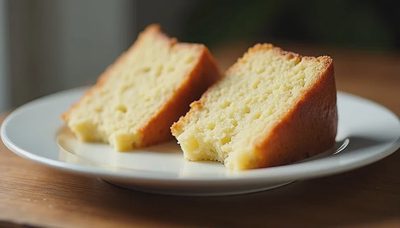
When a slice is pressed lightly with a fingertip, it gives and then slowly springs back. It does not feel hard, nor does it collapse into a gummy mass. When bitten, the interior separates cleanly without requiring excessive chewing and without falling into dry, sandy particles. The color is usually even, without large tunnels or dense layers at the bottom. Moisture is present but not wet; the crumb should feel soft rather than sticky or dry.
In cake, tender crumb often appears as a fine, even network of small air cells. In quick breads and some enriched yeast breads, the cells may be slightly larger while still remaining soft. The common element is that the structure is strong enough to hold the slice together yet delicate enough to yield easily.
Tough crumb, by contrast, feels resistant. It may be chewy, dense, or rubbery. Dry crumb falls apart into crumbs that lack cohesion. Gummy crumb sticks to the teeth and feels under-baked even when the exterior looks done. These are the textures most bakers are trying to avoid when they aim for tenderness.
Recognizing the target makes the adjustments more precise. Instead of simply hoping the next bake will be better, the baker can identify which quality is missing and which variable is most likely responsible.
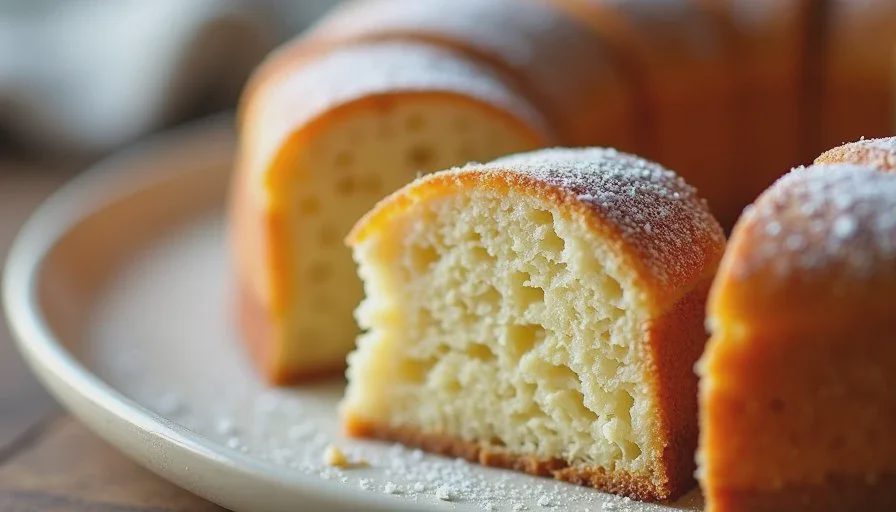
The Main Factors That Create or Reduce Tenderness
Several ingredients and process steps have the greatest influence on whether the final crumb is tender.
Flour and Protein Content
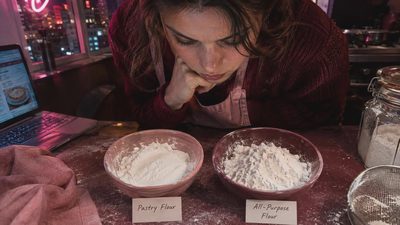
Flour provides the primary structure through gluten-forming proteins. Higher-protein flours, such as bread flour, develop stronger gluten networks that support open bread structures but can produce a chewier or tougher result in cakes and delicate quick breads. Lower-protein flours, including many all-purpose brands and cake flour, form weaker networks that favor tenderness.
In small-batch baking the difference is easy to observe. A cake made with bread flour often feels more resilient and less delicate than the same formula made with a lower-protein flour. All-purpose flour sits in the middle and is sufficient for most home cakes and quick breads when the mixing method is gentle. The key is matching the flour to the desired structure rather than assuming one type works for every recipe.
Fat and Its Distribution
Fat coats flour proteins and limits gluten development. It also contributes to the perception of moisture and softness. Butter, oil, and solid fats behave slightly differently, but all of them tenderize when they are evenly distributed through the batter or dough.
In cakes, the method of incorporating fat matters. Creaming butter with sugar creates small air pockets that help produce a fine crumb. Melting the fat and stirring it in produces a denser but still tender result, especially when oil is used. In either case, insufficient fat or uneven distribution can leave parts of the crumb drier or tougher.
At small scale it is easy to see whether the fat has been fully incorporated. Streaks of flour or pools of fat in the batter usually translate into uneven texture after baking.
Sugar’s Role Beyond Sweetness
Sugar does more than sweeten. It competes with flour proteins for water, which limits gluten formation and contributes to tenderness. It also helps retain moisture in the finished crumb and affects browning and structure.
Reducing sugar significantly in a cake formula often produces a drier, less tender result even if the other ingredients remain the same. Increasing sugar beyond the original balance can weaken the structure so much that the cake collapses or becomes overly fragile. In small batches these effects appear quickly, which makes careful measuring especially useful.
Liquid and Hydration
Liquid hydrates the flour and dissolves sugar and leavening. The amount and type of liquid influence both the strength of the gluten network and the final moisture of the crumb. Too little liquid leaves the crumb dry and tight. Too much can produce a gummy or dense texture if the structure cannot support the extra moisture.
Acidic liquids such as buttermilk can also tenderize by weakening gluten slightly. Coffee or water used in chocolate cakes primarily affects flavor and hydration. The practical check is the consistency of the batter or dough before it goes into the pan. A small batch makes that consistency easy to see and adjust by a spoonful at a time.
Mixing Method and Gluten Development
How the ingredients are combined determines how much gluten forms. Vigorous or prolonged mixing develops more gluten. Gentle mixing develops less. For cakes and most quick breads, the goal is enough structure to hold the crumb together without enough gluten to make it tough.
This is why many cake instructions say to mix only until the ingredients are combined. In a small bowl it is easy to continue stirring past that point. Stopping as soon as the dry flour disappears is one of the simplest ways to protect tenderness. A few small lumps are usually preferable to a perfectly smooth but over-mixed batter.
Leavening and Air Cells
Chemical leaveners and the air incorporated during mixing create the network of cells that make up the crumb. Even distribution of leavening produces an even crumb. Excess leavening can create large tunnels or a coarse texture that collapses. Insufficient leavening leaves the crumb dense.
Because the volume of a small batch is limited, small errors in measuring baking powder or baking soda are more noticeable. Level measurements and thorough blending of the dry ingredients reduce that risk.
How to Evaluate Crumb in a Finished Bake
The most useful evaluation happens after the cake or bread has cooled enough to slice cleanly. Warm crumb can feel softer than it will at room temperature, so a brief rest improves accuracy.
Look first at the cut surface. The cell structure should appear relatively uniform. Large irregular holes may indicate over-mixing, excess leavening, or uneven oven heat. A dense band at the bottom often points to under-mixing, insufficient leavening, or a batter that was too heavy.
Press the surface gently. A tender crumb yields and recovers. A tough crumb resists. A gummy crumb feels sticky and under-set.
Taste and texture on the palate complete the assessment. The crumb should separate easily without excessive chewing and without leaving a dry or pasty sensation. Flavor should be balanced; an otherwise tender crumb can still feel disappointing if the recipe is overly sweet or flat.
These observations take only a minute or two. Writing a short note about them after the first slice makes the next bake more intentional.
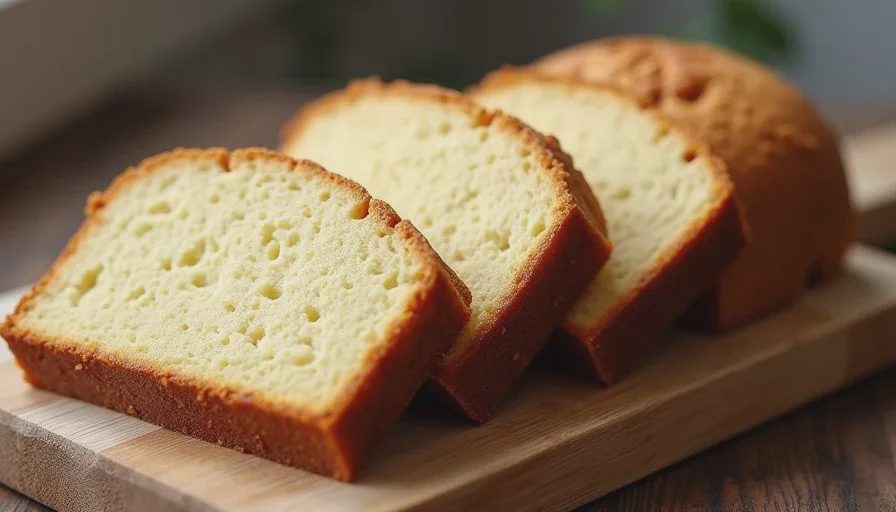
Common Reasons a Crumb Turns Out Less Tender
Several ordinary factors push a crumb toward toughness, dryness, or gumminess.
Using a higher-protein flour than the recipe assumes is a frequent cause of unexpected chewiness in cakes. Measuring flour by scooping directly from the bag packs more flour into the cup and can dry the crumb. Over-mixing develops excess gluten. Over-baking drives off moisture and firms the structure beyond the tender range. Under-baking leaves the interior gummy even when the exterior looks done.
Ingredient temperature can also play a role. Cold eggs or cold liquid in a small batter may not emulsify as evenly, leading to a less uniform texture. Room-temperature ingredients incorporate more readily and usually produce a more consistent crumb.
Oven temperature that runs hot can set the exterior before the interior has fully expanded and set, creating a denser center. An inexpensive oven thermometer removes much of that uncertainty.
None of these issues require advanced technique to correct. They simply need to be identified so the next adjustment is specific rather than general.
Practical Adjustments for Small-Batch Baking
Because small batches respond quickly to changes, adjustments can be modest and still effective.
If a cake crumb is tougher than desired, the first places to look are flour type, mixing time, and total flour amount. Switching to a lower-protein flour, mixing more gently, or reducing the flour by a small measured amount often improves tenderness without rewriting the entire formula.
If the crumb is dry, check baking time and fat or liquid levels. Shortening the bake by a few minutes or confirming that the fat was fully incorporated can restore moisture. A light syrup brush on the cut surface can help a cake that will be held for a day, though most small cakes are eaten quickly enough that this is optional.
If the crumb is gummy, the cake may need a few additional minutes in the oven or a slightly longer cooling time before slicing. Confirming that the leavening is fresh and correctly measured also helps.
These changes are incremental. The goal is not perfection on the first try. The goal is a clearer understanding of what the current crumb shows and what variable is most likely responsible.
Why the Language of Crumb Matters
Clear language turns vague disappointment into useful information. Saying “the cake was not tender” is less actionable than saying “the crumb was resistant when pressed and required more chewing than expected.” The second description points toward gluten development, flour choice, or mixing method. The first description only registers dissatisfaction.
In recipe notes I keep the observations short and concrete: “crumb fine and soft, slight dome, moist without stickiness” or “crumb denser than last time, possible over-mix or flour measurement.” Over a series of bakes the notes reveal patterns that a single memory does not.
This habit is especially useful with small batches because the cost of testing a change is low. A single small cake or a few rolls can confirm whether an adjustment improved the texture without producing a large quantity of leftovers.
Tender crumb is not a mysterious quality reserved for professional bakeries. It is the predictable result of balancing structure and tenderness through ingredients and handling. Once the physical signs are familiar and the main variables are understood, the phrase becomes a practical target rather than an abstract ideal. The baker can look at the slice, recognize what is present, and decide what to adjust next time with far less guesswork.
That clarity is what makes the science of crumb useful in an ordinary kitchen.
Small batch, real life, something worth sharing.
No notes yet — write the first one.