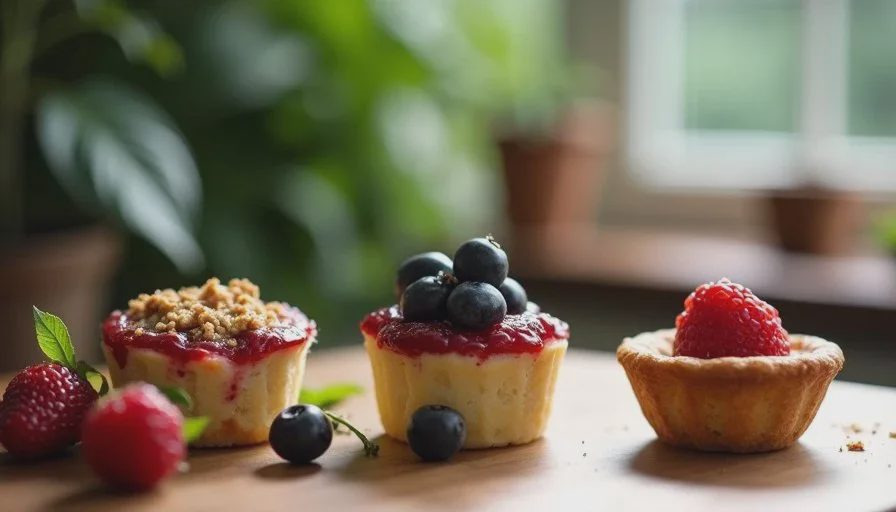
A handful of summer berries—roughly one to one-and-a-half cups—is often all that arrives from a farmers market stop, a backyard plant, or the last of a grocery container. That quantity is too small for a full pie or a large crisp, yet it is more than enough for a dessert sized for two. The three approaches that follow turn a modest amount of berries into something complete without requiring additional fruit or complicated techniques.
I began paying attention to small quantities of berries after years of professional kitchens where fruit was ordered in bulk. At home the reality is different. Berries are expensive, fragile, and best used while they are still firm and fragrant. Letting them sit while waiting for enough to fill a large recipe often means they pass their peak. Using them promptly in a small dessert keeps the flavor bright and the process realistic.
Each of the three desserts relies on ordinary pantry ingredients: flour, sugar, butter, oats, eggs, or cream. None requires a special pan beyond what most kitchens already contain. The methods are short enough to start after dinner and finish the same evening. The goal is the same in each case: a dessert that feels intentional rather than like a way to use up leftovers.
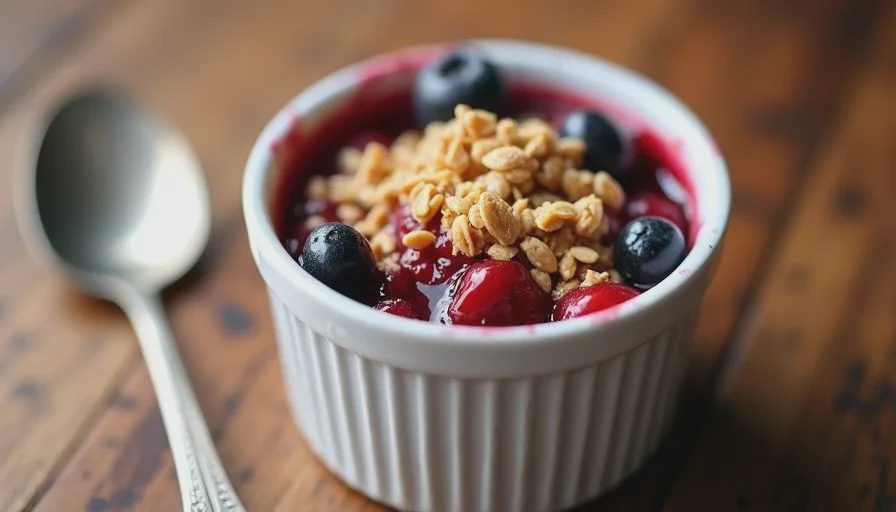
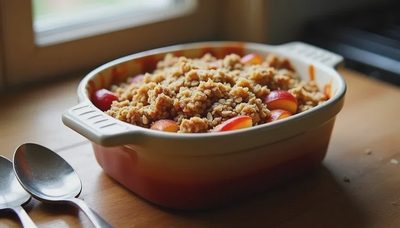
1. A Single-Serving Berry Crisp
A crisp is the most forgiving way to use a small amount of fruit. The topping requires only a few tablespoons of pantry staples, and the fruit needs little more than a spoonful of sugar and a pinch of starch.
For a handful of berries, choose a small baking dish—an individual ramekin, a 6-inch gratin dish, or even a large oven-safe mug. Toss the berries with one to two teaspoons of sugar, a half teaspoon of flour or cornstarch, and a squeeze of lemon if the berries are very sweet. The sugar amount depends on the ripeness of the fruit; taste a berry first and adjust.
The topping is a scaled-down version of the classic mixture: two tablespoons of flour, two tablespoons of oats, one tablespoon of sugar, a pinch of salt, and one tablespoon of cold butter. Work the butter into the dry ingredients with fingertips or a fork until the mixture is crumbly. Scatter it over the berries. There is no need to cover every gap; the topping will spread slightly as it bakes.
Bake at 350°F to 375°F for 18 to 25 minutes, until the fruit is bubbling and the topping is golden. The small volume means the crisp finishes quickly. Serve warm, plain or with a small spoonful of cream or ice cream if it is on hand.
This version works with any mix of strawberries, blueberries, raspberries, or blackberries. Softer berries release more juice and benefit from the small amount of starch. Firmer berries hold their shape and need less. The method tolerates imperfect measuring; the result is still a warm, satisfying dessert that uses the fruit while it is at its best.
2. Simple Berry Shortcakes for Two
Shortcakes turn a handful of berries into a slightly more structured dessert without requiring a large amount of dough. The biscuits can be mixed by hand and baked in the time it takes the berries to macerate.
For the fruit, slice or lightly crush the berries and toss them with a teaspoon or two of sugar. Let them stand while the biscuits bake. The sugar draws out juice and creates a light syrup. If the berries are already very ripe and sweet, the sugar can be reduced or omitted.
The biscuit dough is minimal: one cup of flour, one teaspoon of baking powder, a pinch of salt, one tablespoon of sugar, two tablespoons of cold butter, and roughly one-third cup of milk or cream. Cut the butter into the dry ingredients until the mixture looks like coarse crumbs, then stir in the milk just until a soft dough forms. Turn it out, pat it to about three-quarters of an inch thick, and cut two rounds. There is no need for perfect shapes; rustic edges are fine.
Bake at 425°F for 12 to 15 minutes, until the biscuits are risen and lightly golden. Split them while warm, spoon the macerated berries over the bottom halves, and replace the tops. A small amount of lightly sweetened cream or yogurt is a pleasant addition if it is available, but the biscuits and berries stand on their own.
This approach uses the berries in a way that feels a little more deliberate than a crisp. The contrast between the warm, slightly crumbly biscuit and the cool, juicy fruit is the point. Because only two biscuits are made, there are no leftover shortcakes to manage. The entire dessert can be assembled and eaten while everything is still at its peak.
3. A Quick Berry Clafoutis or Baked Custard
When the berries are especially good and a softer, more custard-like dessert is wanted, a small clafoutis or baked berry custard works well. The batter is essentially a thin pancake or flan mixture that sets around the fruit in the oven.
Butter a small baking dish or two ramekins. Scatter the berries evenly in the bottom. For the batter, whisk together one egg, two tablespoons of sugar, two tablespoons of flour, a pinch of salt, and about one-third cup of milk. A few drops of vanilla can be added if it is on hand. The mixture should be smooth and pourable, similar to heavy cream.
Pour the batter over the berries. Bake at 350°F for 20 to 30 minutes, until the custard is set at the edges and just barely wobbly in the center. The small volume cooks quickly; over-baking makes the custard rubbery. A light dusting of powdered sugar after cooling is optional.
This dessert is especially good with blueberries or blackberries, which hold their shape and distribute evenly. Strawberries and raspberries also work but may release more juice and create a slightly softer set. The result is a tender, spoonable dessert that feels more elegant than the effort involved. It can be served warm or at room temperature and needs no accompaniment beyond a spoon.
The method is flexible. If only one egg is available, the quantities can be adjusted slightly. If milk is limited, a mixture of milk and cream or even a splash of yogurt thinned with water can stand in. The goal is a simple batter that lets the berries remain the focus.
Choosing and Handling a Small Amount of Berries
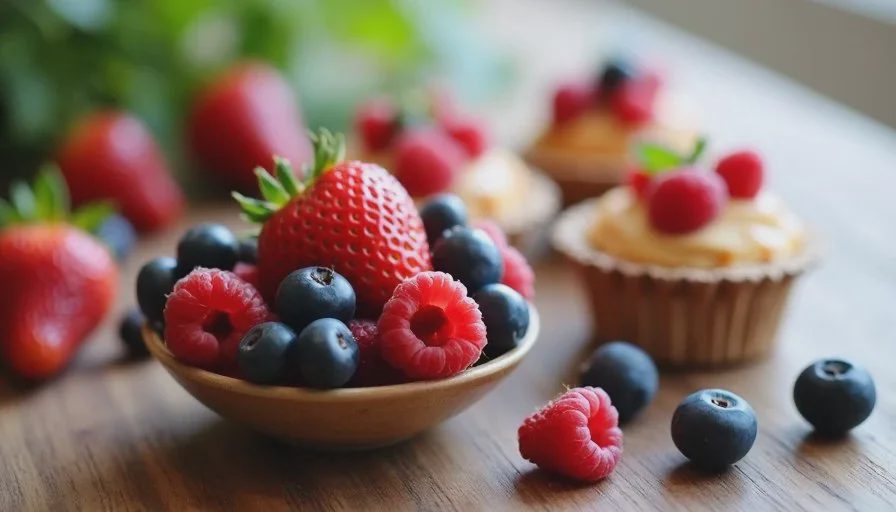
The quality of the fruit matters more than the quantity. Berries that are fragrant, firm enough to hold their shape, and free of mold or large soft spots will produce a better dessert than a larger volume of marginal fruit. A handful of excellent berries is preferable to two cups of fruit that is past its prime.
Wash the berries only when ready to use them. Excess moisture softens the fruit and dilutes the flavor. Hull strawberries and leave smaller berries whole unless they are very large. If the berries vary in ripeness, taste a few and adjust the sugar in the recipe accordingly. Very sweet berries need less added sugar; tart ones benefit from a little more.
If the handful includes a mix of types, they can be used together in any of the three desserts. The different textures and flavors usually complement one another. If one variety is much softer than the others, it can be lightly crushed to create a sauce-like element while the firmer berries remain whole.
Leftover berries that will not be used the same day keep best in a single layer in the refrigerator, loosely covered. They are still best within a day or two. Freezing a small handful is possible, though the texture will soften and the fruit is then better suited to cooked desserts than to fresh applications.
Pantry Staples That Make These Desserts Possible
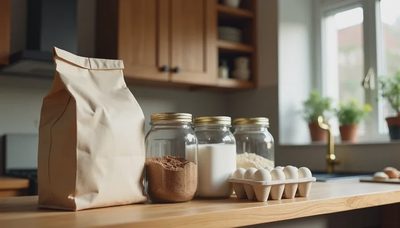
None of the three desserts requires a special shopping trip if the basic baking cupboard is stocked. Flour, sugar, butter, oats, and an egg cover the crisp and the shortcakes. The clafoutis needs only flour, sugar, egg, and milk in addition to the fruit. Lemon, vanilla, and salt are useful but not essential.
Keeping a small container of oats and a reliable supply of butter and flour means a handful of berries can become dessert without advance planning. The same staples support the other small-batch recipes on this site, so they earn their shelf space through repeated use rather than through a single purpose.
Measuring tools can be approximate at this scale. A tablespoon of butter, a few spoonfuls of flour, and a measured splash of milk are sufficient. Precision matters less than balance: enough sugar to enhance the fruit, enough starch or flour to manage the juices, and enough fat to give the topping or biscuit tenderness.
Why These Small Desserts Matter
Large fruit desserts have their place for gatherings or when a deliberate surplus is wanted. For ordinary days the small versions are more useful. They respect the actual amount of fruit on hand, the actual number of people at the table, and the actual time available in an evening. The berries are used while they still taste like summer. The process stays short. The result feels complete rather than like a reduced version of something larger.
Each of the three desserts can be made with the same handful of berries, so the choice depends on mood and what else is in the kitchen. A crisp is the fastest and most casual. Shortcakes feel a little more considered. A clafoutis is the softest and most spoonable. All three deliver the bright flavor of fresh berries without demanding a full quart of fruit or an afternoon of work.
A handful of berries is enough. The desserts simply need to be sized to match.
Small batch, real life, something worth sharing.

No notes yet — write the first one.