Butter and oil are the two fats most home bakers reach for when making cakes, quick breads, and muffins. Both tenderize the crumb by limiting gluten development and adding richness, yet they do not produce the same result. Butter contributes flavor and a specific fine, sometimes slightly drier crumb. Oil produces a moister, often denser and more uniform texture that stays soft longer. Understanding the difference allows a baker to choose the fat that matches the desired outcome rather than treating them as interchangeable.
I first paid close attention to this distinction while testing cake formulas in professional kitchens and later while adapting those formulas for small-batch home baking. Side-by-side bakes of the same recipe—one made with butter, one with oil—consistently showed differences in crumb structure, perceived moisture, and how the cake aged over a day or two. The variations were not subtle. Once the patterns became familiar, choosing the fat became a deliberate decision rather than a default.
The explanation rests on the physical properties of each fat and how those properties interact with flour, sugar, and eggs during mixing and baking. None of the science requires specialized equipment. It can be observed in any home kitchen by comparing two small cakes or muffins made with the different fats.
How Fat Affects Crumb Structure
Fat tenderizes by coating flour proteins and interfering with gluten formation. The more thoroughly the fat is distributed, the more it limits the development of a strong, elastic network. The type of fat and the temperature at which it is incorporated influence how evenly that coating occurs and what kind of air structure forms in the batter.
Butter is a solid fat at cool room temperature. It contains water and milk solids in addition to butterfat. When butter is creamed with sugar, the solid fat traps air bubbles that expand during baking and contribute to a fine, even crumb. When butter is melted and stirred in, less air is incorporated and the crumb becomes denser. In either case the water in butter turns to steam and the milk solids contribute flavor and slight browning.
Oil is a liquid fat at room temperature. It contains no water and no milk solids. Because it is already liquid, it coats flour proteins very efficiently and requires no creaming step. The batter tends to be smoother and more uniform. Little air is trapped by the fat itself, so the rise depends more on chemical leavening and the air incorporated during mixing of eggs and sugar. The resulting crumb is often moister, slightly denser, and more even from edge to center.
These differences appear most clearly in cakes and quick breads where the fat is a major structural component. In very lean doughs the effect is smaller. In enriched yeast breads butter is usually preferred for flavor, while oil can be used when a softer, longer-lasting crumb is the priority.
Texture and Moisture Differences in Practice
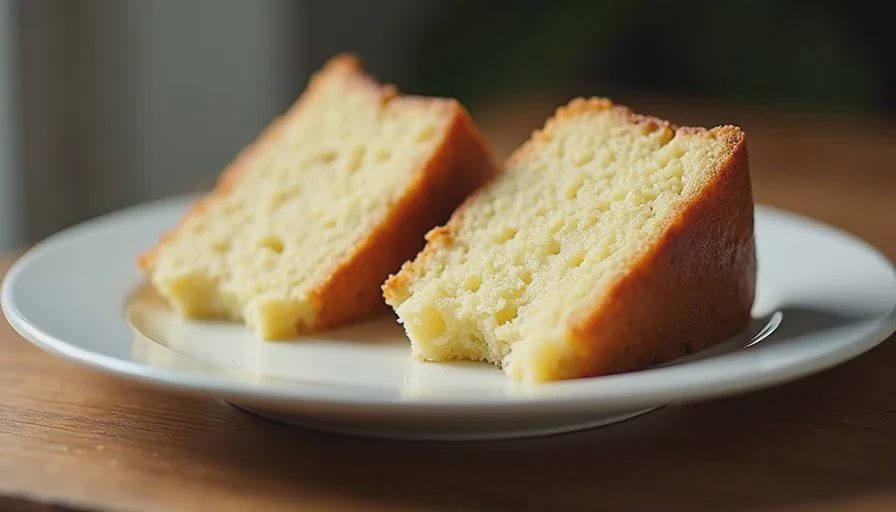
A butter-based cake typically has a finer, more delicate crumb with a slight tenderness that feels distinct from the moist density of an oil-based cake. The butter version often seems lighter on the palate even when the actual height is similar. As the cake sits, the crumb of a butter cake can firm more noticeably, especially if refrigerated, because the butter solidifies when cool.
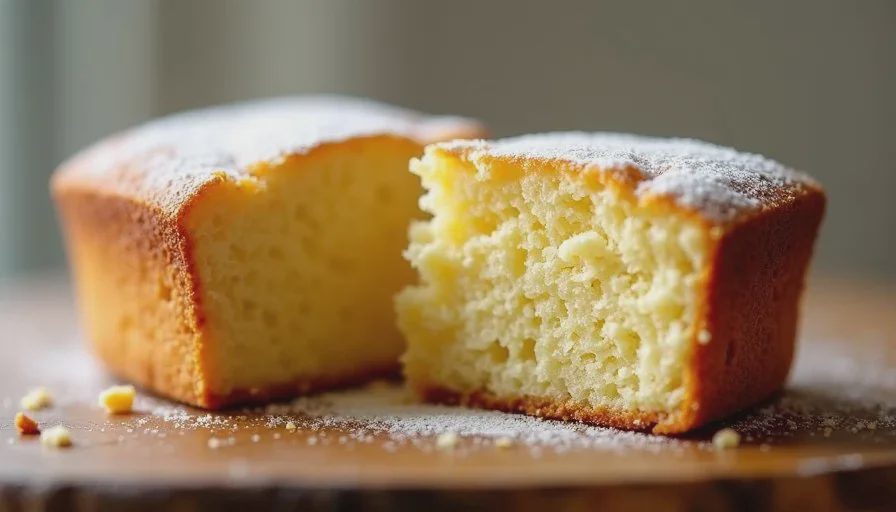
An oil-based cake usually feels moister from the first slice and retains that perception of moisture longer at room temperature. The crumb is often described as soft or tender in a different way—more plush than delicate. Because oil remains liquid at room temperature, the cake does not firm in the same way when cooled. This quality makes oil useful for cakes that need to stay soft for a day or two without frosting as a moisture barrier.
Flavor is the other clear distinction. Butter contributes a dairy richness that many people associate with classic cakes. Oil is largely neutral, especially if a mild vegetable or canola oil is used. The chocolate, vanilla, or fruit flavors of the cake therefore come through more directly in an oil version, while a butter version carries an additional layer of flavor from the fat itself. Neither is superior; they simply produce different sensory results.
In side-by-side tastings the butter cake is often preferred when eaten fresh and at room temperature. The oil cake is frequently preferred the next day or when the cake will be served chilled. These preferences are consistent enough that they can guide the choice of fat according to when and how the cake will be eaten.
Mixing Methods and How They Interact with Each Fat
The way the fat is incorporated reinforces the differences.
Creaming butter with sugar is a classic method for butter cakes. The process creates a network of air bubbles that gives the cake its characteristic fine crumb. The butter must be soft enough to blend smoothly with the sugar but not so warm that it melts and loses its ability to hold air. This step requires attention to temperature and timing.
Oil is almost always stirred or whisked into the batter. There is no creaming stage. The method is faster and more forgiving of ingredient temperature. Eggs and sugar can be whisked first to incorporate some air, then the oil and dry ingredients are added. The batter comes together quickly and is less sensitive to small variations in mixing time.
Melted butter sits between the two approaches. It behaves more like oil during mixing—easy to stir in, no creaming required—yet it still carries butter flavor and the water and milk solids that affect browning and texture. Melted-butter cakes often have a denser crumb than creamed-butter cakes and a slightly different tenderness than oil cakes. They are a useful middle option when butter flavor is wanted without the creaming step.
At small-batch scale these differences are easy to observe. A single 6-inch cake or a few muffins made with each method show the textural results clearly without producing large quantities of leftovers.
When to Choose Butter
Butter is the better choice when flavor is a priority and the cake will be eaten within a day. Classic yellow cakes, pound cakes, and many butter-based chocolate cakes rely on the taste of butter as part of their identity. The fine crumb produced by creaming is also desirable for layered cakes that need clean slices and a delicate texture.
Butter is also preferable when the recipe is written for it and the baker wants to stay close to the original result. Substituting oil into a creamed-butter formula changes more than moisture; it changes the way the batter aerates and sets. The outcome can still be good, but it will not be the same cake.
In cooler kitchens butter can be firmer and more difficult to cream. Softening it properly or using the melted-butter method avoids that friction. In very warm kitchens butter softens quickly and can make the batter too loose; chilling the bowl or working efficiently helps.
When to Choose Oil
Oil is the practical choice when a moist, soft crumb that lasts is more important than butter flavor. Many chocolate cakes, carrot cakes, and spice cakes are traditionally made with oil for this reason. The neutral taste of the fat lets the other flavors dominate, and the texture stays pleasant even after a day or two at room temperature.
Oil is also useful when the mixing method needs to be as simple as possible. There is no need to wait for butter to soften or to monitor creaming stages. The batter can be mixed in one bowl with a spatula or whisk and go directly into the pan. For small-batch baking on a weeknight this speed is often decisive.
In recipes that already contain strong flavors—deep chocolate, spices, citrus, or add-ins such as fruit or nuts—the absence of butter flavor is rarely noticed. The improved moisture retention becomes the more valuable quality.
Practical Substitution Notes
Substituting one fat for the other is possible but not always direct.
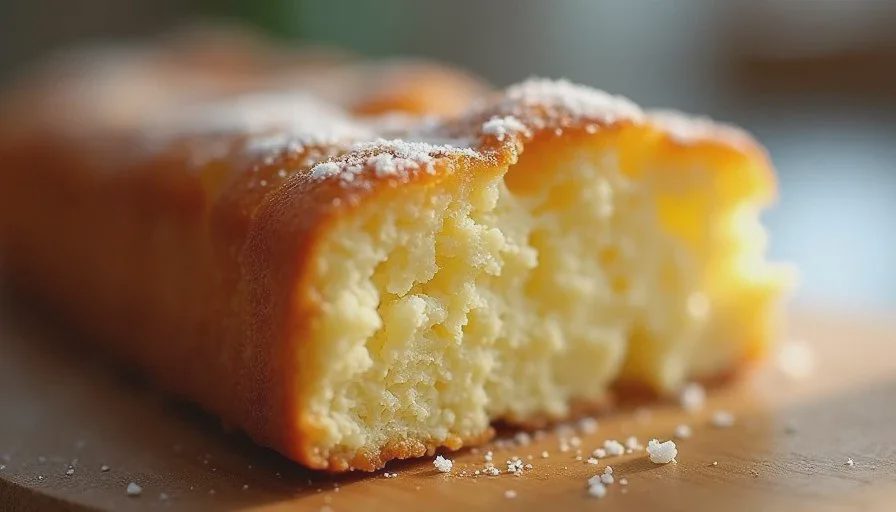
Replacing butter with oil in a creamed recipe usually requires reducing the amount slightly because oil is pure fat while butter contains water. A common starting point is to use about three-quarters the amount of oil by weight. The mixing method must also change; there is no point in trying to cream oil. The resulting cake will be moister and denser, with less butter flavor.
Replacing oil with butter in an oil-based recipe can be done by weight, but the texture will shift toward a finer, slightly drier crumb and the flavor will include butter. If the original recipe relies on the lasting softness of oil, the butter version may firm more quickly.
Melted butter can stand in for oil more easily than creamed butter can. The flavor will be present, and the texture will be closer to the oil version than a creamed version would be. Some adjustment in liquid may still be needed because of the water content of butter.
These substitutions work best when the baker expects a different result rather than an identical one. Testing the change in a small batch makes the differences clear without waste.
How Temperature and Storage Interact with Each Fat
Butter solidifies when cool. A butter cake that is refrigerated or even left in a cool room will feel firmer than an oil cake stored the same way. Bringing the butter cake back to room temperature softens it again, but the contrast with an oil cake remains noticeable.
Oil stays liquid. An oil cake retains its soft texture across a wider temperature range. This quality makes oil cakes more forgiving for make-ahead baking or for serving in warmer or cooler conditions.
Both types of cake benefit from proper wrapping once cool. The higher surface-to-volume ratio of small cakes means moisture loss occurs faster regardless of the fat used. Oil’s advantage in perceived moisture does not eliminate the need for good storage; it simply slows the drying process compared with butter under the same conditions.
Choosing with Intention
The decision between butter and oil is not about which fat is better. It is about which set of qualities matches the occasion and the preferred texture. Butter brings flavor and a classic fine crumb. Oil brings lasting moisture and simplicity of method. Melted butter offers a middle path when both flavor and ease are wanted.
In small-batch baking the choice is especially useful because the results appear quickly and the quantities remain manageable. A single small cake or a few muffins made with each fat provide clear information for future decisions. Over time the baker learns which fat suits which style of cake and which eating schedule.
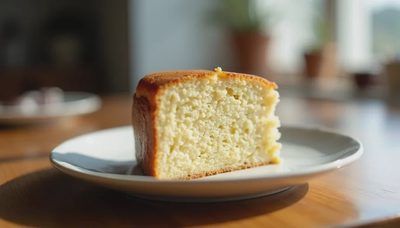
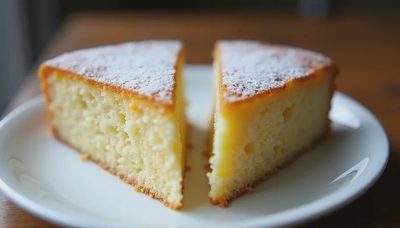
The crumb tells the story. A fine, delicate, flavorful slice usually points to butter. A soft, moist, evenly tender slice usually points to oil. Once those patterns are familiar, the fat becomes a tool rather than a default, and the texture of the finished cake becomes more predictable.
Small batch, real life, something worth sharing.
No notes yet — write the first one.